Maintaining Good Dental Care Habits in Your Daily Life
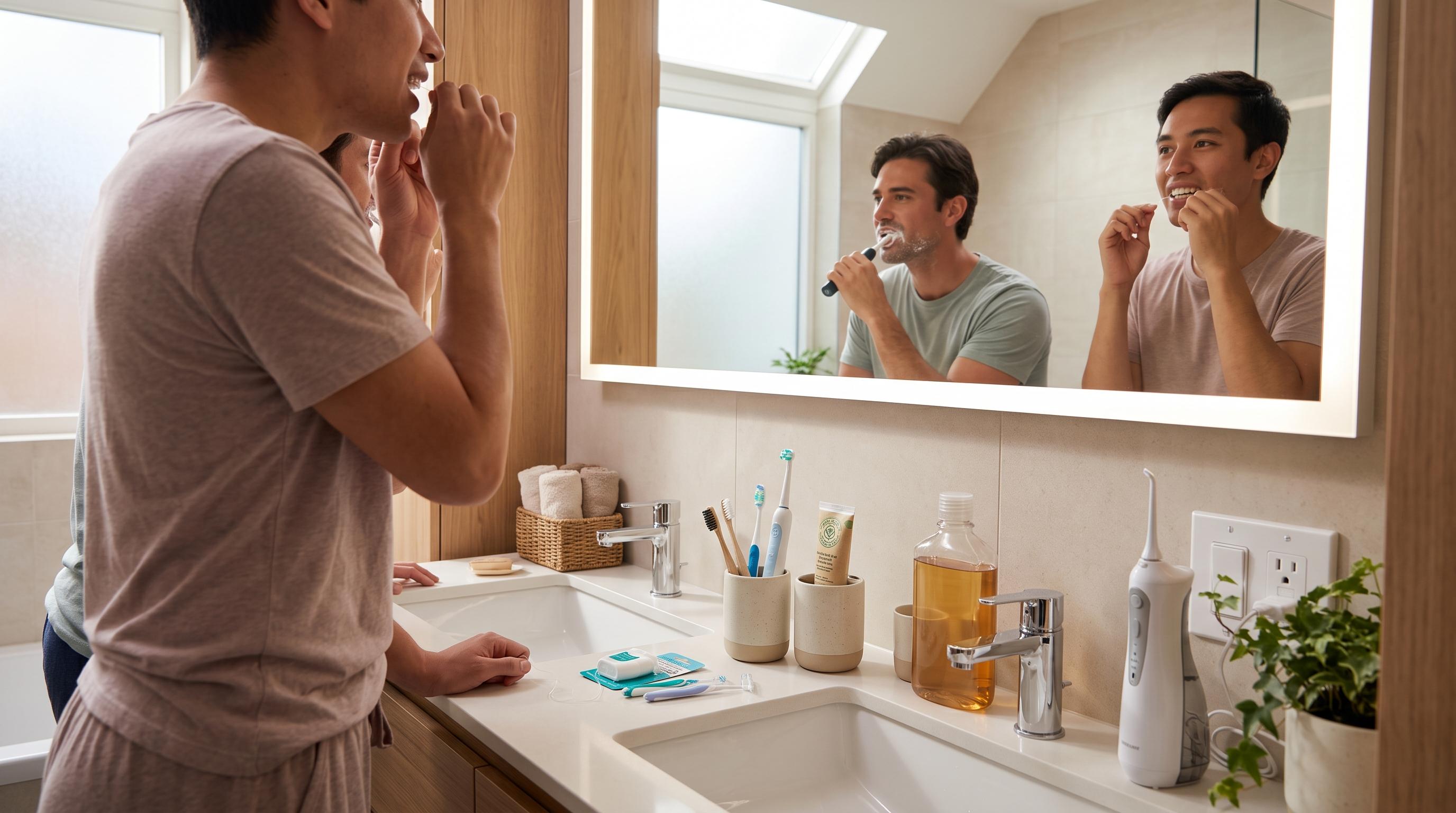
Good oral hygiene forms the cornerstone of overall physical health, yet it is often reduced to a hurried two-minute brush before starting the day. In Nepal, daily diets feature flavorful curries, turmeric-rich seasonings, milky teas (chiya), and sticky sweets that can easily leave behind acidic films and deep stains on enamel. When food particles linger around the gums, oral bacteria feed on the sugars, releasing acids that slowly erode protective mineral layers and produce stubborn tartar.
To build a lasting defense against tooth decay, consistency and correct technique are essential. Dentists recommend brushing twice every day—once after breakfast and once right before going to bed. Use a soft-bristled toothbrush held at a 45-degree angle against the gumline, cleaning in gentle circular motions rather than harsh horizontal scrubbing that wears down enamel. Fluoride-based toothpaste remains indispensable for remineralizing weak enamel spots before they turn into active cavities.
Flossing is equally critical because bristles cannot access tight spaces between adjacent teeth where plaque flourishes undisturbed. Adding interdental floss or a water flosser once a day clears stubborn debris and prevents chronic bleeding caused by early gingivitis. Furthermore, rinsing thoroughly with plain water after consuming sweetened tea, coffee, or snacks neutralizes acidity before it can erode surfaces. Pairing these everyday personal practices with scheduled professional cleanings every six months guarantees that minor plaque accumulations are eliminated before triggering root infections or costly restorative procedures.
Have questions about your dental health?
Visit our clinic or schedule a consultation with our dental team.
Related Articles
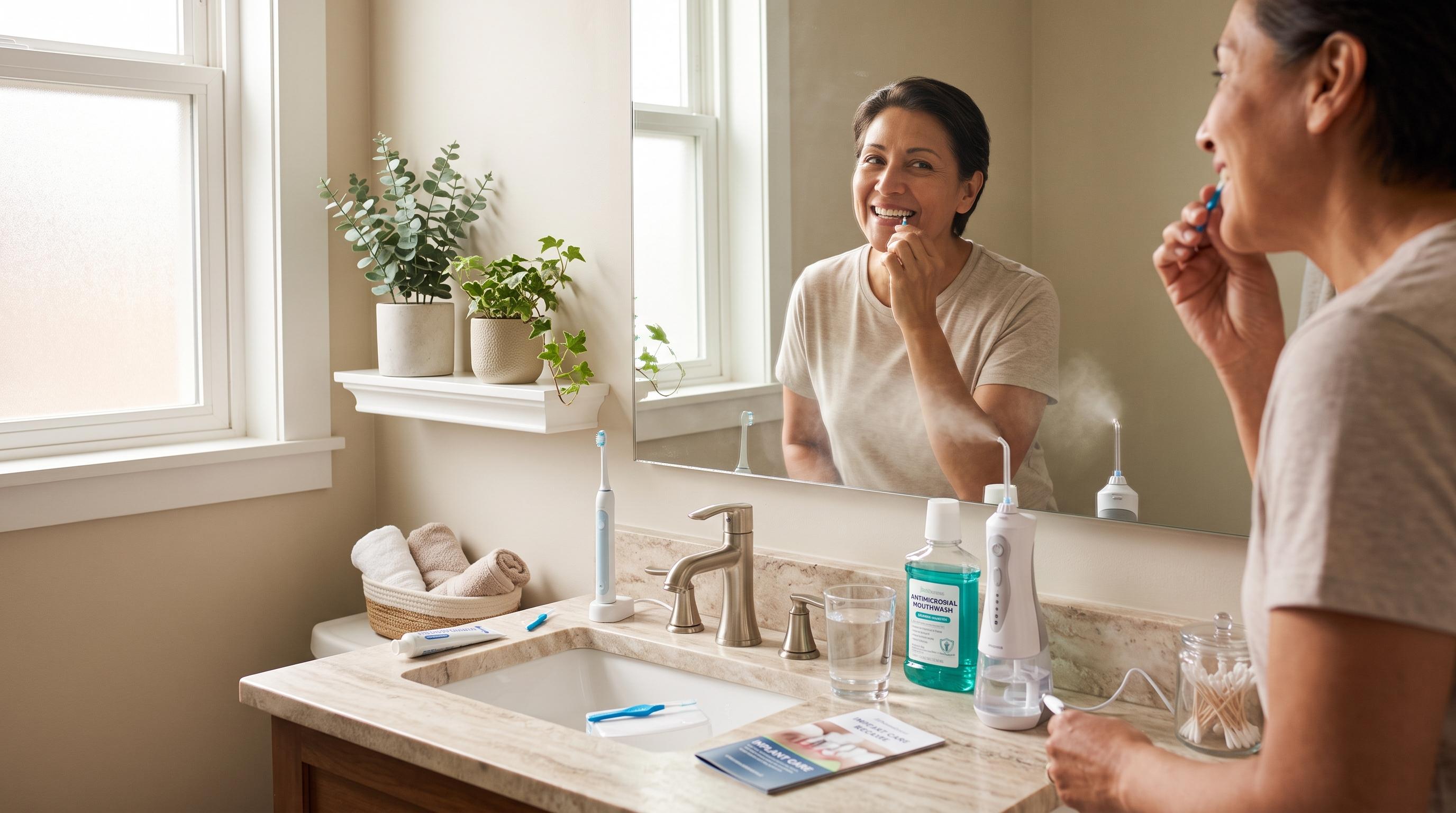
Best Ways to Care for Your Dental Implants
Essential recovery and maintenance tips to ensure your dental implants last for decades with optimal function.
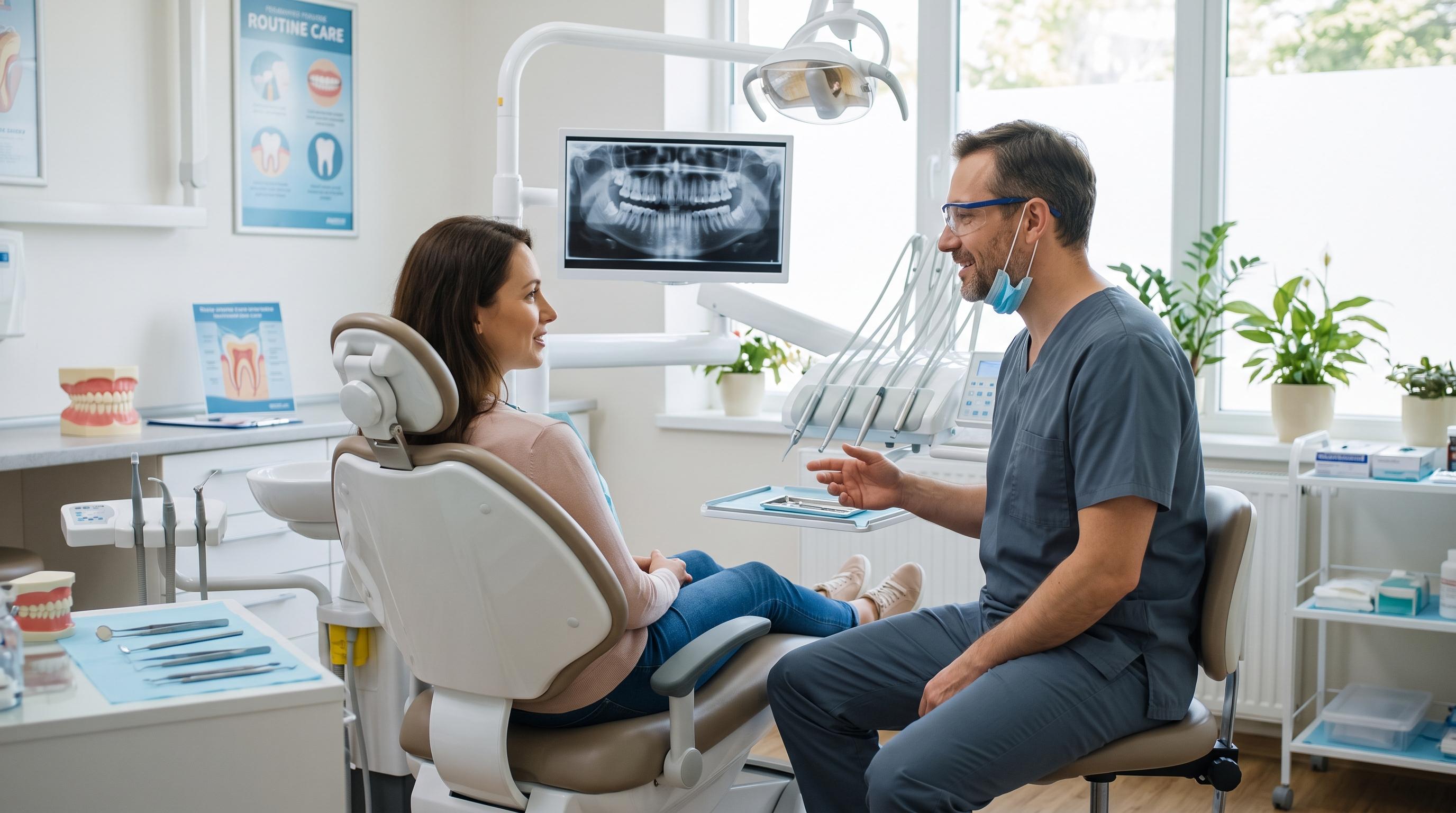
Why Routine Dental Checkups Matter More Than You Think
Learn why visiting a dentist before you experience toothache saves money, time, and your natural teeth.