Our Blogs
Latest News and Updates
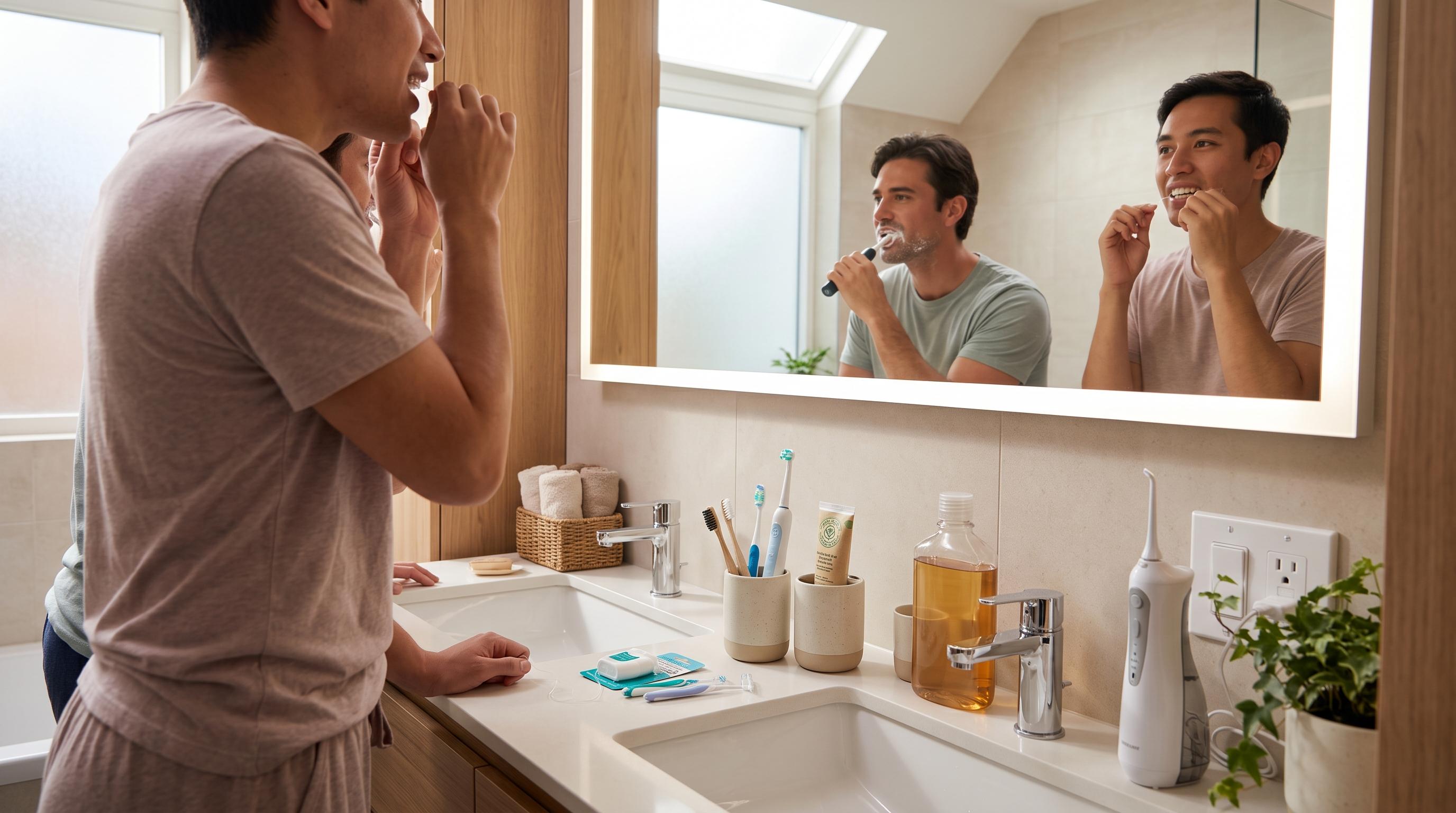
Maintaining Good Dental Care Habits in Your Daily Life
Good oral hygiene forms the cornerstone of overall physical health, yet it is often reduced to a hurried two-minute brush before starting the day. In Nepal, daily diets feature flavorful curries, turmeric-rich seasonings, milky teas (chiya), and sticky sweets that can easily leave behind acidic films and deep stains on enamel. When food particles linger around the gums, oral bacteria feed on the sugars, releasing acids that slowly erode protective mineral layers and produce stubborn tartar.
To build a lasting defense against tooth decay, consistency and correct technique are essential. Dentists recommend brushing twice every day—once after breakfast and once right before going to bed. Use a soft-bristled toothbrush held at a 45-degree angle against the gumline, cleaning in gentle circular motions rather than harsh horizontal scrubbing that wears down enamel. Fluoride-based toothpaste remains indispensable for remineralizing weak enamel spots before they turn into active cavities.
Flossing is equally critical because bristles cannot access tight spaces between adjacent teeth where plaque flourishes undisturbed. Adding interdental floss or a water flosser once a day clears stubborn debris and prevents chronic bleeding caused by early gingivitis. Furthermore, rinsing thoroughly with plain water after consuming sweetened tea, coffee, or snacks neutralizes acidity before it can erode surfaces. Pairing these everyday personal practices with scheduled professional cleanings every six months guarantees that minor plaque accumulations are eliminated before triggering root infections or costly restorative procedures.

Best Ways to Care for Your Dental Implants
Dental implants represent the modern gold standard for replacing missing teeth, restoring complete biting power, speech clarity, and a natural aesthetic smile. Unlike standard bridges or removable dentures, an implant anchors a biocompatible titanium post directly into your jawbone, fusing securely through osseointegration. However, while the porcelain prosthetic crown itself cannot develop cavities, the surrounding living gum and bone tissues remain vulnerable to inflammation if post-treatment care is neglected.
The greatest hazard to an implant's longevity is peri-implantitis—a localized bacterial infection that inflames the gum tissue around the titanium post and gradually breaks down the supporting jawbone. To safeguard your investment, transition to non-abrasive toothpastes and ultra-soft or sonic toothbrushes that gently cleanse the implant neck without creating microscopic scratches. Clean beneath the dental bridge or crown using specialized interdental brushes coated in plastic, or invest in a water flosser that flushes bacterial pockets with pulsating water streams.
Lifestyle choices also dictate long-term success. Smoking and chewing tobacco heavily impair blood microcirculation in gum tissues, dramatically increasing the rate of implant failure. If you clench or grind your teeth while sleeping, custom nightguards are strongly advised to absorb nocturnal biting pressure and avoid chipping the ceramic crown. Routine clinical visits featuring digital radiographs allow your dental surgeon to monitor bone levels, tighten prosthetic screws if needed, and clean beneath the gumline using specialized non-metallic instruments.
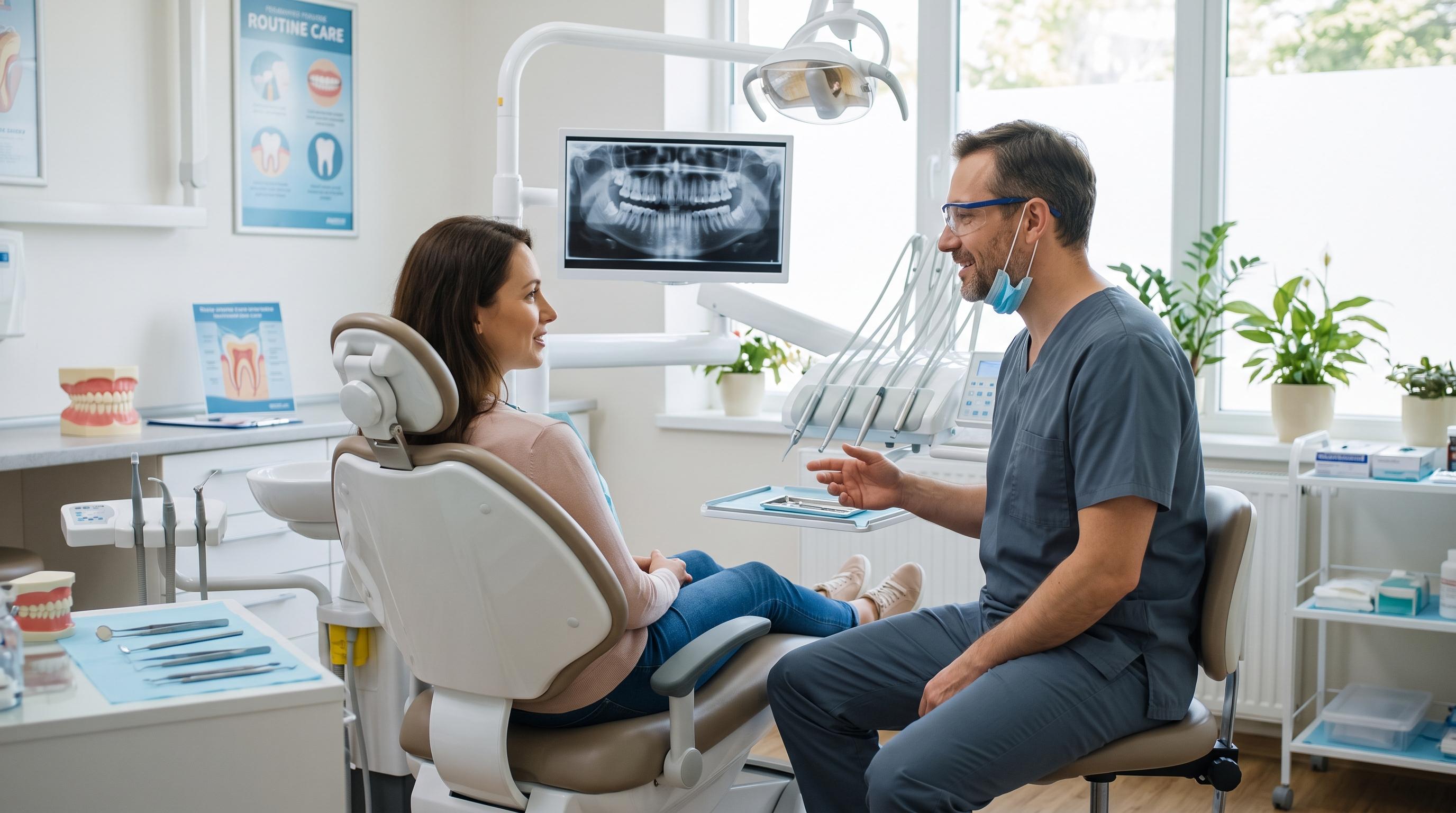
Why Routine Dental Checkups Matter More Than You Think
A widespread misconception throughout Nepal is that dental consultations are only necessary when excruciating pain, facial swelling, or broken teeth make daily life unbearable. Unfortunately, dental conditions like enamel decay, gingivitis, and bone loss are largely painless during their initial stages. By the time a persistent toothache strikes, the bacterial infection has usually penetrated deep through the dentin into the sensitive inner pulp, necessitating complex root canal therapy or complete tooth extraction.
Routine checkups, scheduled every six months, operate on the principle of proactive prevention rather than emergency intervention. During these visits, dentists conduct thorough visual examinations, screen for early signs of oral cancer, and utilize low-radiation digital imaging to uncover concealed issues—such as bone loss beneath the gums, hairline fractures, or impacted third molars (wisdom teeth). These diagnostic tools reveal problems before they become symptomatic emergencies.
Another indispensable element of these appointments is professional ultrasonic scaling and polishing. Even the most diligent home brushers encounter stubborn tartar (calculus) along the gumline that cannot be removed at home. Ultrasonic scaling clears this calcified bacterial buildup comfortably and painlessly, resolving bleeding gums and bad breath in a single session. Investing in biannual checkups preserves your natural teeth and drastically cuts down long-term financial expenditure on advanced prosthetics.
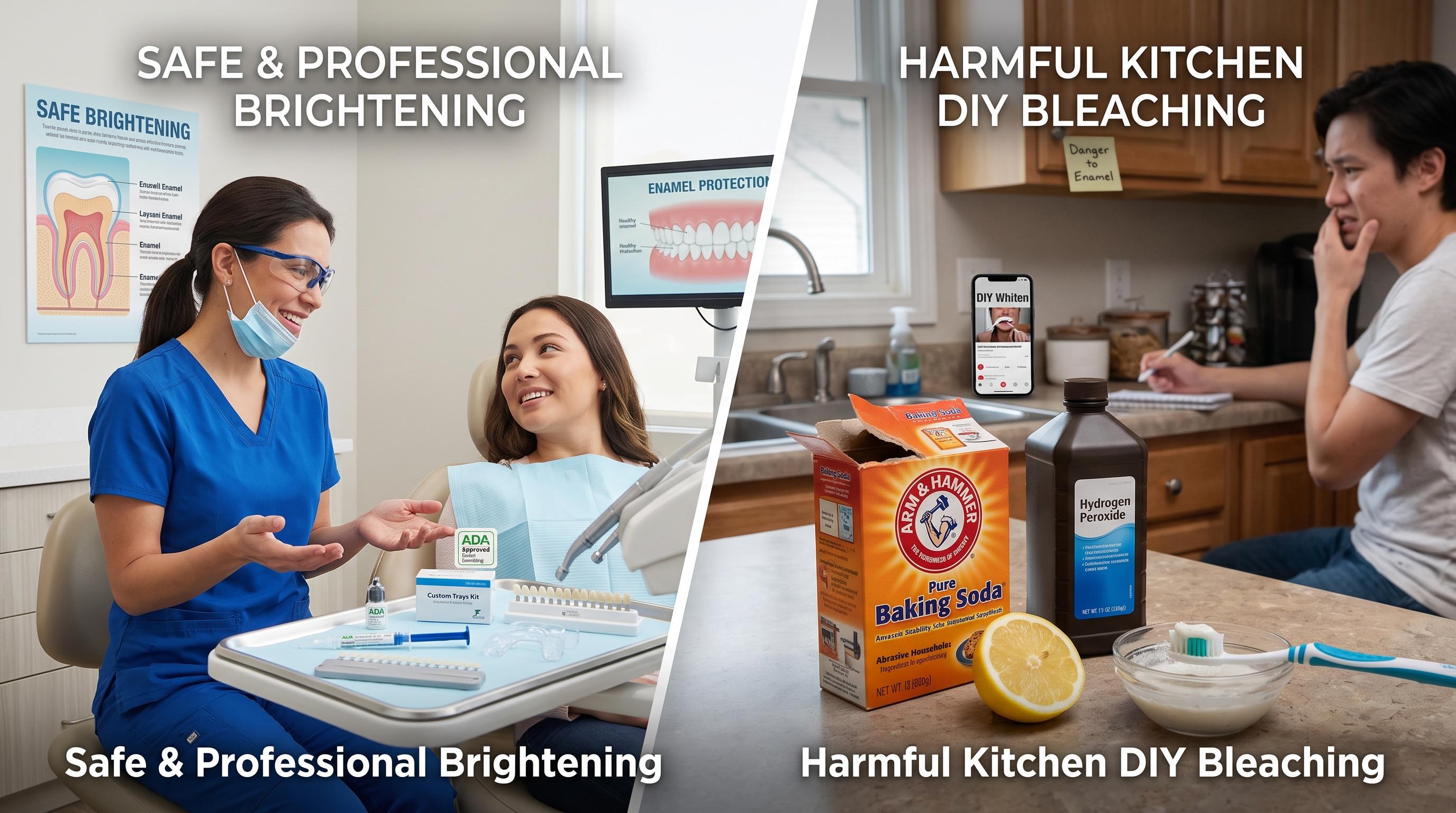
Professional Teeth Whitening vs. At-Home Remedies
With glowing smiles becoming a key confidence booster for weddings, festivals, and professional settings, people often seek quick fixes to reverse dental discoloration. In our local culture, social media trends and household advice frequently promote DIY methods like scrubbing teeth with baking soda, charcoal powders, lemon juice, or salt crystals. While these concoctions appear to scrub away outer debris quickly, they are abrasive substances that scrape off precious enamel rather than chemically lifting deep stains.
Enamel does not regenerate once it is abraded away. When coarse scrubs strip the top protective coat, the underlying yellowish layer known as dentin becomes exposed, paradoxically making teeth look darker while triggering acute hypersensitivity to cold water and hot tea. In direct contrast, professional in-office whitening is governed by strict clinical safety protocols. Dental professionals first evaluate your dental work, apply protective resin barriers along the sensitive gums, and apply controlled, pH-balanced hydrogen peroxide or carbamide peroxide formulations.
These specialized bleaching agents gently penetrate microscopic enamel pores to safely break down chromogenic organic compounds left behind by daily tea, coffee, and rich spices. Activated by calibrated LED or laser lights, clinical whitening lightens teeth several shades in a single 45-to-60-minute session. Patients achieve radiant, stain-free results with zero enamel damage and minimal, transient post-procedure sensitivity.

Pediatric Dental Care: Protecting Your Child’s Smile Early
Many parents hold the belief that primary milk teeth are disposable because they will eventually fall out and be replaced by permanent teeth. This misconception frequently leads to avoidable pediatric dental emergencies. Baby teeth serve indispensable roles: they facilitate clear speech development, enable pain-free chewing for balanced childhood nutrition, and act as natural space holders that guide permanent adult teeth into straight alignment inside the developing jaw.
Premature loss of baby teeth due to nursing caries or rampant sweet consumption can cause surrounding teeth to tilt into vacant spaces, resulting in severe crowding, impacted permanent teeth, and complicated orthodontic treatments later in adolescence. Common childhood habits, such as putting toddlers to sleep with feeding bottles filled with sweetened milk or juices, allow sugars to coat delicate teeth for hours, causing aggressive 'baby bottle tooth decay.'
Establishing positive oral health begins well before school age. Pediatric dental specialists advocate scheduling a child’s very first dental visit by their first birthday or when their first tooth erupts. Early visits normalize the dental clinic environment, ensuring children grow up free of dental phobias. Pediatric dentists provide invaluable preventative therapies, including painless fluoride varnish treatments and resin dental sealants that coat the deep grooves of new molars, shielding them completely from decay during formative years.